








Prayer
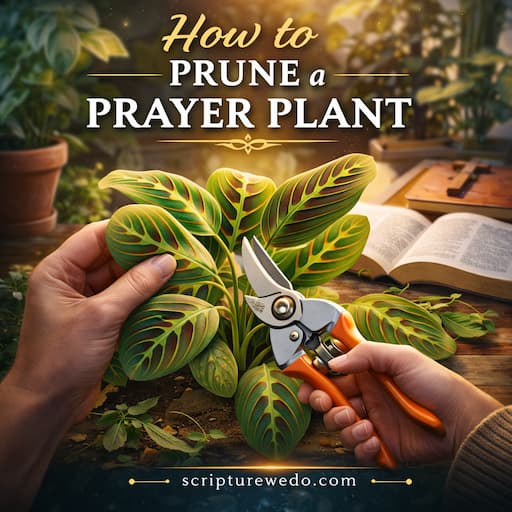
How to Prune a Prayer Plant for Healthy Growth (Step-by-Step Guide)

Prayer plants, known scientifically as Maranta leuconeura, are cherished for their striking foliage and unique leaf movement. Named for the way their leaves fold upward at night like hands in prayer, these plants bring a vibrant touch of nature indoors. However, like any living plant, prayer plants require care to thrive, and one of the most essential maintenance practices is pruning.
Pruning a prayer plant is not just about keeping it looking attractive. Proper pruning promotes healthy growth, prevents disease, encourages new leaves, and maintains the plant’s overall structure. This guide provides an extensive, step-by-step approach to pruning a prayer plant, including tools, techniques, timing, and tips for long-term care.
Also Read: Complete Guide to St Teresa of Avila Prayer and Its Meaning
Understanding Your Prayer Plant
Before pruning, it is important to understand the characteristics of the prayer plant:
- Leaves: Oval, patterned with striking veins, often with shades of green, pink, and red. Leaves move in response to light, folding upward at night.
- Growth Habit: Low-growing, spreading in clumps with stems close to the soil.
- Size: Typically reaches about 12 inches tall and can spread wider depending on pot size and conditions.
- Care Requirements: Moderate indirect light, high humidity, well-draining soil, and regular watering.
Because prayer plants have delicate stems and leaves, pruning must be done carefully to avoid stress or damage.
Why Prune a Prayer Plant?
Pruning serves several purposes for a prayer plant:
- Encourages New Growth: Cutting old or damaged stems stimulates the plant to produce fresh leaves.
- Removes Dead or Yellowing Leaves: This prevents disease and improves the plant’s appearance.
- Maintains Shape: Pruning helps the plant retain a compact, attractive form.
- Prevents Crowding: Removing excess stems increases air circulation and reduces the risk of fungal issues.
- Supports Longevity: Proper pruning ensures a long, healthy life for the plant.
Tools Needed for Pruning
Using the right tools is essential for effective and safe pruning:
- Sharp Scissors or Pruning Shears: To make clean cuts without crushing stems.
- Sterilizing Solution: Alcohol or a diluted bleach solution to sterilize tools and prevent infection.
- Gloves (Optional): While not strictly necessary, gloves protect your hands from sap and dirt.
Sterilizing your tools before pruning is crucial, especially if cutting diseased or yellowing leaves, as this prevents the spread of pathogens.
When to Prune a Prayer Plant.
Timing is key when pruning a prayer plant. Consider the following:
- Growing Season: Spring and summer are ideal because the plant is actively growing and can recover quickly.
- Avoid Dormancy: Avoid heavy pruning in winter when growth slows, as this can stress the plant.
- Observation: Prune whenever you notice dead, yellowing, or damaged leaves.
Regular inspection helps identify areas that need attention and prevents the plant from becoming overgrown or unhealthy.
Step-by-Step Guide to Pruning a Prayer Plant.
Step 1: Inspect the Plant
Examine your prayer plant carefully, looking for:
- Yellowing or brown leaves
- Dead stems
- Crowded or overgrown areas
- Signs of pests or disease
This initial inspection ensures you prune only what is necessary, preserving healthy growth.
Step 2: Prepare Tools
- Clean scissors or pruning shears with alcohol.
- Have a clean workspace to collect removed leaves and stems.
Proper preparation reduces the risk of infection and ensures smooth cutting.
Step 3: Remove Damaged or Dead Leaves
- Identify leaves that are completely yellow, brown, or wilted.
- Cut the leaf at the base of its stem, near the soil line.
- Avoid tearing, which can damage nearby healthy stems.
Step 4: Trim Overgrown Stems
- Look for stems that are growing too long or crowding the plant.
- Cut just above a leaf node (the point where a leaf emerges from the stem) to encourage branching.
- Pruning above a node stimulates new growth from that point.
Step 5: Shape the Plant
- Step back and observe the plant’s overall shape.
- Trim stems selectively to maintain a balanced, attractive form.
- Avoid cutting too aggressively, as removing too many leaves can shock the plant.
Step 6: Dispose of Pruned Material
- Collect and discard dead leaves and stems.
- Do not leave cut material near the plant, as decaying leaves can attract pests or disease.
Step 7: Care After Pruning
- Water the plant lightly and ensure it receives indirect light.
- Avoid fertilizing immediately; allow the plant a few days to recover.
- Monitor for new growth over the next few weeks.
Tips for Healthy Pruning.
- Regular Maintenance: Instead of heavy pruning once a year, perform small, regular trims to maintain shape and health.
- Watch for Pests: Yellowing leaves can sometimes indicate pests, so check before pruning.
- Avoid Overwatering: Pruning does not require extra water; excessive moisture can harm recovering stems.
- Provide Humidity: Prayer plants thrive in humid environments; misting or placing near a humidifier helps recovery.
- Use Clean Soil: Ensure your soil is well-draining to prevent root rot, which can affect the plant’s ability to recover.
Encouraging New Growth After Pruning.
Pruning stimulates fresh growth, but supporting your plant after pruning is equally important:
- Light: Place in bright, indirect light to encourage photosynthesis without scorching leaves.
- Fertilizer: Use a diluted liquid fertilizer after 2–3 weeks to support new leaf development.
- Humidity: Maintain high humidity to reduce stress.
- Temperature: Keep in a stable environment around 65–75°F, avoiding cold drafts.
Common Mistakes to Avoid.
- Cutting Too Much: Removing more than 20-30% of the plant at once can cause shock.
- Pruning During Dormancy: Heavy pruning in winter slows recovery.
- Ignoring Sterilization: Unclean tools can transmit disease.
- Neglecting the Environment: Pruning alone won’t help if light, water, or humidity needs are not met.
Sample Short Prayers for Your Prayer Plant.
While caring for your prayer plant, some plant lovers like to incorporate mindfulness or prayer. These can be simple, thoughtful words to focus energy on growth and well-being:
- Prayer for Healthy Growth
Heavenly Creator,
Bless this prayer plant with strength, vitality, and resilience. May its leaves flourish, its stems grow strong, and its beauty inspire peace and joy in this space. Amen. - Prayer for Recovery After Pruning
Lord,
Guide this plant to recover fully from pruning. Let new leaves sprout, stems strengthen, and life flourish. Thank you for the gift of nature and beauty in my home. Amen. - Gratitude Prayer for Nature
Thank you, God, for this prayer plant. Its beauty reminds me of Your care and creation. May I care for it with patience, love, and attention, and may it thrive under my hands? Amen.
Frequently Asked Questions (FAQs) About How to Prune a Prayer Plant
- How often should I prune my prayer plant?
Pruning can be done regularly whenever you notice dead, yellowing, or damaged leaves. Light pruning every few weeks helps maintain the plant’s shape, while major pruning is best done during the growing season in spring or summer. - Can I prune my prayer plant in winter?
It is not recommended to perform heavy pruning in winter because the plant’s growth slows. Light trimming is acceptable if leaves are dead or damaged, but avoid removing large portions during dormancy. - How much should I prune at one time?
Do not remove more than 20–30% of the plant at once. Excessive pruning can stress the plant and slow recovery. Gradual trimming is healthier for long-term growth. - Should I cut above or below the leaf node?
Always prune just above a leaf node. This encourages new stems and leaves to grow from that point, promoting branching and fuller foliage. - What tools are best for pruning a prayer plant?
Sharp scissors or pruning shears are recommended. Sterilize your tools with alcohol or a mild bleach solution before use to prevent the spread of disease. - How do I care for my prayer plant after pruning?
After pruning, ensure the plant receives bright, indirect light, maintain humidity, avoid overwatering, and wait 2–3 weeks before fertilizing to allow recovery. - Can I propagate a prayer plant from pruned stems?
Yes. Healthy stems with at least one node can be propagated in water or soil. Keep the cutting in a warm, humid environment until roots develop. - Why are my prayer plant leaves turning yellow?
Yellow leaves can result from overwatering, poor drainage, low humidity, insufficient light, or natural aging. Pruning yellow leaves helps the plant focus energy on healthy growth. - How do I prevent pests while pruning?
Inspect leaves for pests before pruning and sterilize tools to avoid spreading infestations. Maintain good air circulation around the plant and remove any dead material promptly. - Can prayer plants recover quickly after pruning?
Yes, especially if pruning is done carefully during the growing season. With proper light, humidity, and care, new growth usually appears within a few weeks.
Conclusion
Pruning a prayer plant is an essential practice to maintain its health, encourage new growth, and ensure its leaves remain vibrant and strong. By understanding the plant’s growth habits, using the right tools, and following careful pruning techniques, you can extend the life and beauty of this remarkable plant.
Regular inspection, thoughtful trimming, and supportive care after pruning create a thriving environment for your prayer plant. Incorporating mindfulness or simple prayers during care adds a spiritual dimension to the process, fostering a deeper connection between you and your plant.
Through proper pruning, a prayer plant can continue to inspire serenity, beauty, and reflection for many years. With patience, attention, and love, your plant will remain a flourishing symbol of nature’s elegance and resilience.